MTN wins 5G spectrum licenses in Ghana
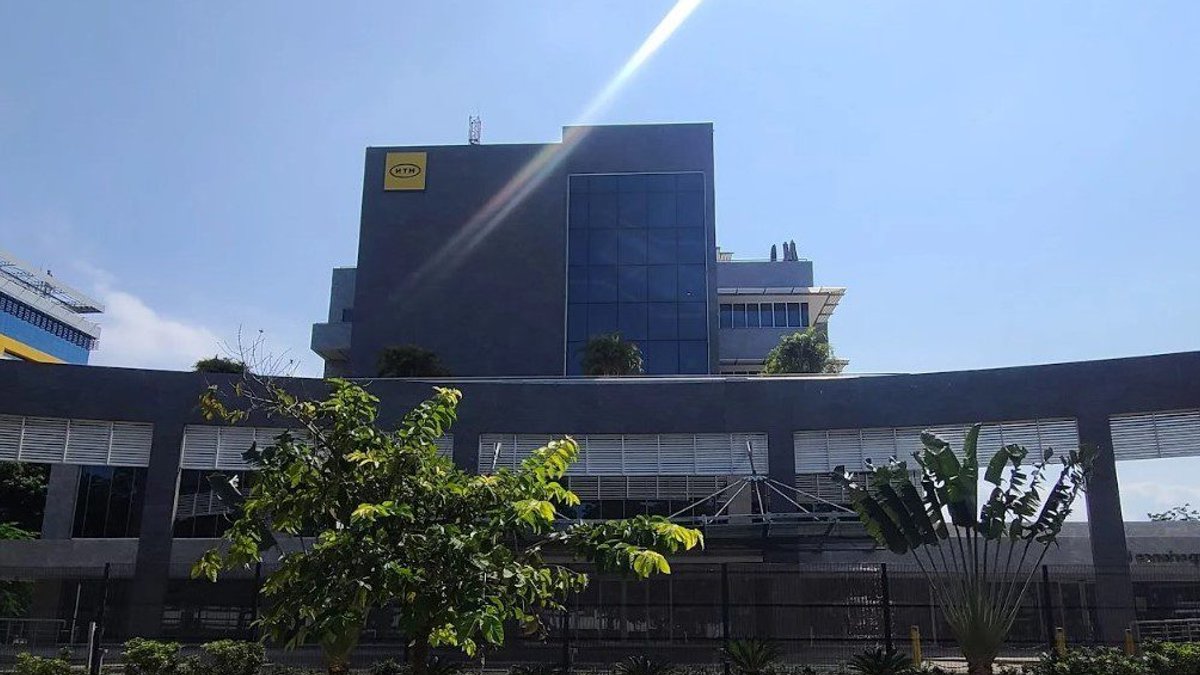
MTN Ghana has obtained essential 5G spectrum licenses from the National Communications Authority (NCA), covering the 700 MHz and 3 GHz mid-band frequencies. The company’s corporate filing reveals the licenses span 15 years, with a combined fee of $202 million. Of that total, $100.9 million covers the 700 MHz allocation, while $101.1 million applies to the 3 GHz allocation.
The 700 MHz band includes two blocks of 20 MHz each, and the 3 GHz band offers three blocks of 50 MHz, totaling 150 MHz of bandwidth. MTN Ghana has begun processing formalities and payments, with the fees already incorporated into its equity free cash flow forecasts. This new spectrum will enhance its existing holdings, boosting network capacity, service quality, and 5G coverage across both urban and rural regions.
The additional spectrum will support faster rollout of fixed wireless access and “connect the home” services, delivering high-speed internet to households and businesses. Although the license acquisition does not immediately trigger deployment, MTN Group will provide updates as the network expansion progresses.
This move follows Telecel Ghana’s recent acquisition of a 2.3 GHz band spectrum license, which also aims to accelerate its 5G expansion. Both companies now hold independent rights to develop and deploy 5G networks in Ghana, after the government canceled Next Gen InfraCo’s exclusive concession earlier this year. The cancellation occurred eight years before its scheduled 2034 expiry, due to the company’s failure to meet performance targets.
Read Also: iPhone Neo Rumor Lacks Credible Evidence
Ghana’s decision to allow private operators reflects its ambition to achieve 70% 5G population coverage by 2027, a milestone tied to the country’s 70th independence anniversary. With over 41 million telecom subscribers, MTN and Telecel are well-positioned to lead the market as they introduce high-speed services.
MTN’s 5G deployment in Ghana will strengthen its regional network presence, alongside its existing operations in South Africa, Nigeria, Côte d’Ivoire, Uganda, Congo-Brazzaville, and Benin. Nigeria currently represents its largest 5G footprint.
Telecel, which has partial state ownership, secured all three frequency bands it applied for and intends to launch services by December 2026. The rivalry between the two carriers is expected to spur faster adoption and reduced costs for consumers.

iPhone Neo Rumor Lacks Credible Evidence


