Ancient Siberian tomb reveals earliest proof of cannabis use
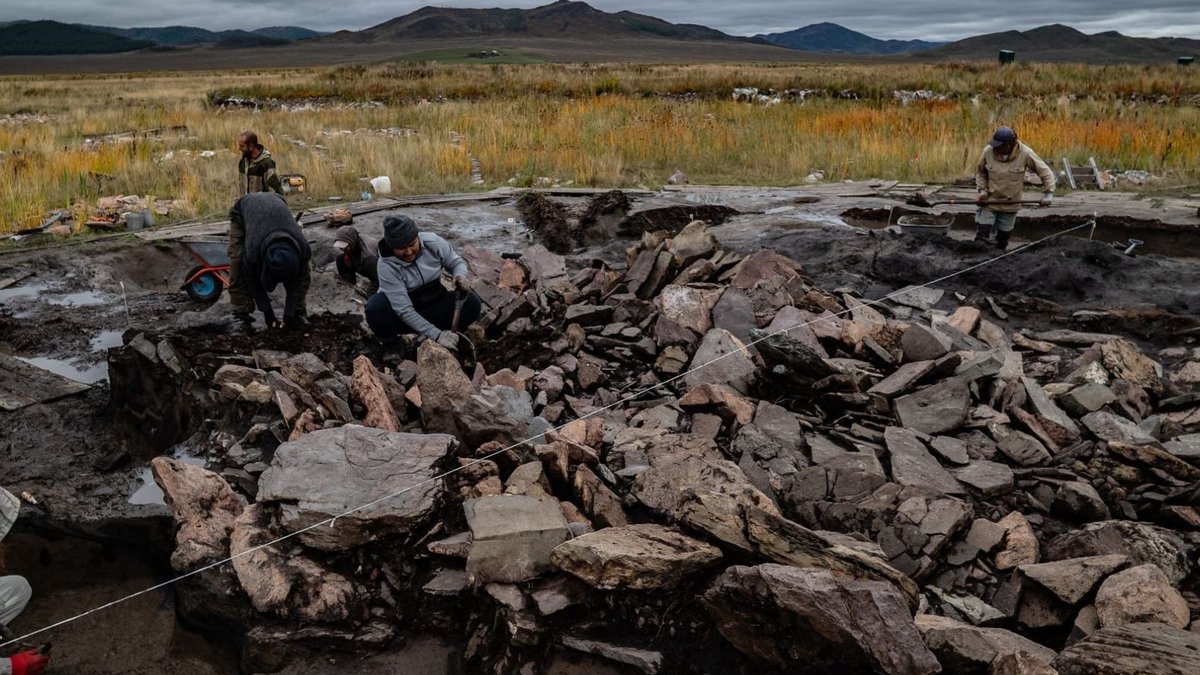
A Siberian tomb from the 8th century BCE has produced the oldest direct evidence of humans using cannabis for its psychoactive properties, according to findings published in Science. The excavation uncovered over 1,400 cannabis seeds scattered among the remains of six high-status individuals buried in a royal burial mound, alongside traces of tetrahydrocannabinol (THC) detected in preserved human hair.
The site, identified as Tunnug 1, belongs to the Scythian culture, a nomadic group that dominated the Eurasian steppes beginning in the 9th century BCE. While archaeologists had long theorized the Scythians incorporated cannabis into their rituals, this discovery provides the first chemical confirmation. The tomb also contained the remains of sacrificed humans and horses, hinting that the plant may have played a role in funeral customs.
The research, led by archaeologist Gino Caspari of the Max Planck Institute of Geoanthropology, describes the find as extraordinary. Earlier discoveries, such as a 2,700-year-old grave in China, had yielded cannabis seeds and fibers, but those did not confirm psychoactive use. The THC detected in hair samples from Tunnug 1 changes that interpretation.
Caspari noted that ancient historian Herodotus had described the Scythians burning cannabis in tents to induce hallucinations, but physical proof had remained scarce.
Read Also: Voters block AI data center expansion in midterms
The tomb’s elite burials included five men and one woman, all placed in wooden coffins. The cannabis seeds were concentrated around the bodies, while THC traces in hair confirmed direct exposure. Researchers suggest the drug may have been used to alleviate suffering during human sacrifices—or, more likely, as part of ritual preparations for the afterlife.
Caspari acknowledged the ethical implications of this interpretation.
The discovery also sheds light on cannabis domestication. The team is sequencing the ancient seeds to reconstruct the plant’s genetic history before modern breeding altered its potency. Ancient DNA analysis could revive lost strains with unique cannabinoid profiles, potentially valuable for medicine or recreational use.
Beyond scientific interest, the findings highlight cannabis’s deep cultural roots. Although the plant was first cultivated 10,000 years ago for fiber and oil, its use as a mind-altering substance appears to have emerged later. The Scythian evidence suggests psychoactive cannabis spread quickly among elites, possibly influencing later traditions.
Read Also: AI generated addons flood World of Warcraft
Future research will examine additional hair samples and conduct more detailed genetic analysis. The team also plans to compare the Siberian strains with other ancient cannabis remains, including those from Scythian sites in the Caucasus. If the DNA reveals distinct lineages, it could reshape understanding of how cannabis evolved into the diverse plant used today.
The study’s implications reach beyond archaeology. Caspari noted that the findings provide a historical foundation for modern debates on cannabis legalization and medical applications.
Genetic analysis of the over 1,400 seeds has begun, with preliminary sequencing revealing fragments of ancient cannabis DNA. Unlike modern strains, which have been selectively bred for high THC since the 1970s, the Siberian seeds show distinct genetic markers. The team identified variations in cannabinoid production differing from both wild and later domesticated varieties, suggesting the Scythians cultivated cannabis for specific psychoactive effects—something that may have driven its spread across Eurasia.


