AI Demand Drives PC Prices Skyward, Spark Shines Amidst Crisis
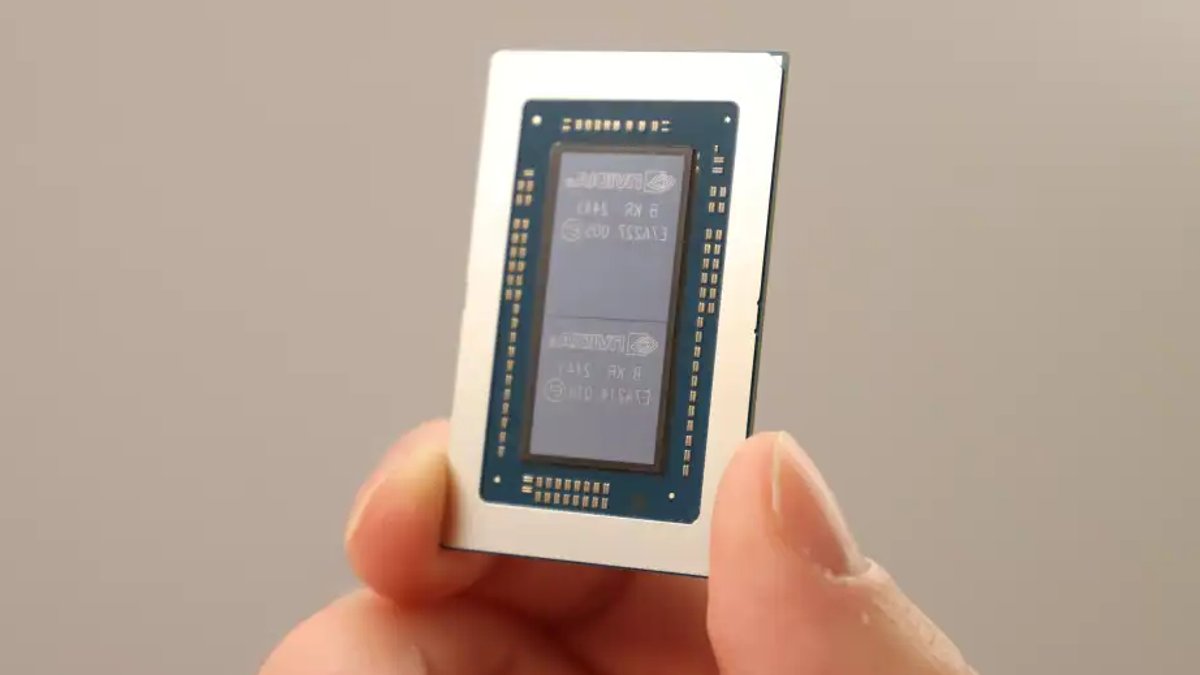
A writer expresses frustration with the rising cost of personal computers, driven by the AI industry’s demand for components. They praise Nvidia’s RTX Spark for enabling experimental computing but lament that this innovation coincides with soaring hardware prices. The writer has been pushing the limits of AI computing, making a $7,000 laptop process 220,202 AI tokens in 13 minutes and using MSI’s $8,000 EdgeMesa RTX Spark mini PC for continuous research tasks, even when unattended.
AI’s Impact on PC Pricing
The writer highlights how AI workloads have increased demand for memory and storage, causing prices to skyrocket. PCWorld has reported on this trend, noting that some memory modules now cost four to five times what they did a year ago. HP reported spending 35 percent of its PC component budget on RAM and storage. This surge is partly due to manufacturers prioritizing data centers over consumer markets, as highlighted by OpenAI CEO Sam Altman, who argued that RAM is more efficiently used in data centers. However, the writer counters that personal computing is about freedom and ownership, not just efficiency.
Manufacturers prioritize selling to data centers over consumer markets, chasing higher profits. This shift has made affordable PCs less accessible, with Gartner reporting a 22.4% drop in PC shipments in the third quarter of 2026. The writer emphasizes that these are not just enthusiast machines but essential tools for students and families, now becoming increasingly unaffordable.
The RTX Spark Experience
Despite the industry challenges, the writer is impressed by the RTX Spark’s capabilities. Its 128GB of unified memory allows for complex AI tasks that were previously unimaginable on a personal computer. They describe running enormous language models and conducting research without relying on cloud services. This level of local computing power has reignited their passion for experimentation, reminiscent of the early days of PCs when creativity and exploration were unrestricted.
The RTX Spark outperforms even high-end desktops like the GeForce RTX 5090 in handling AI workloads, thanks to its memory capacity. While the RTX 5090 boasts superior GPU horsepower, its 32GB of VRAM falls short for the massive AI tasks the writer has been tackling. This contrast shows the RTX Spark’s unique value in pushing the boundaries of personal computing, even as it highlights the growing divide in accessibility.
The Cost of Innovation
The writer wonders if the AI revolution is worth the cost, as it makes basic computing less affordable. They question whether it’s better to have one powerful machine or multiple affordable laptops that more people can access. While acknowledging that memory types are not directly interchangeable, they argue that the industry’s priorities are skewed. The writer reflects on the democratizing spirit of early PCs, where anyone could experiment without corporate barriers, and contrasts it with the current trend of pricing out ordinary users.
A Call for Balance
Instead, we’re building a future where an $8,000 computer can do things I barely dreamed possible a year ago, while a kid who just wants a decent laptop gets priced out. They urge the industry to consider the broader impact of its decisions, ensuring that personal computing remains accessible to all. The writer’s love for the RTX Spark is tempered by the realization that its benefits are not shared equally, leaving many priced out of the digital revolution.


