Why Apple’s rumored MacBook touchscreen may frustrate users
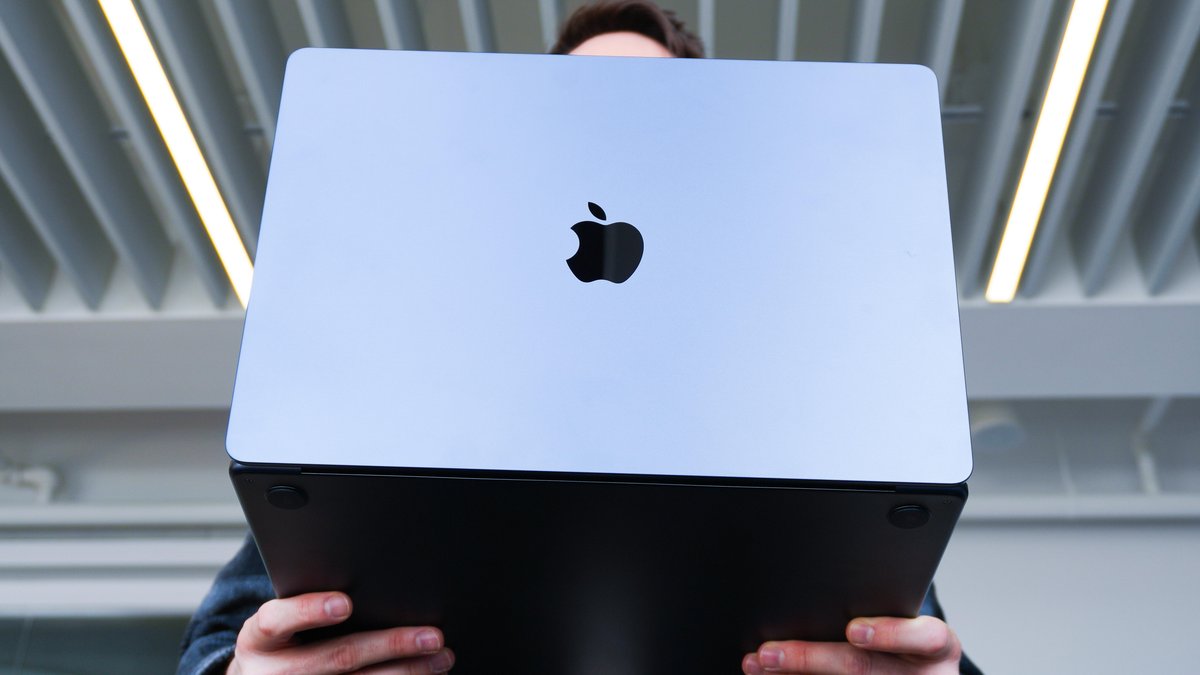
A touchscreen MacBook may arrive soon, but the idea still divides users. Bloomberg’s Mark Gurman first reported that Apple plans to add a touchscreen display to upcoming MacBook models, yet one writer’s experience with similar technology raises questions about its practicality for everyday use.
The writer, who currently uses a 13-inch M2 MacBook Air, has held off on upgrades because Apple’s latest releases have not introduced features worth switching for. The reported touchscreen addition piqued interest, but past frustrations with touchscreens persist. Dark-colored MacBooks, such as the Midnight model, already suffer from fingerprint smudges on their surfaces, including the trackpad. Even the Starlight version, chosen for its lighter appearance, requires frequent cleaning to keep the screen visible.
Apple’s Magic Trackpad has long stood out as a superior input method, delivering precise control without needing an external mouse. Its natural scrolling, pinch-to-zoom, and Force Click functions make it ideal for tasks like document signing or app switching. Unlike touchscreens, it avoids accidental taps and smudges that can disrupt workflows demanding accuracy.
Touchscreens merge laptop and tablet functionalities, but not all activities benefit from the blend. While touch works well for casual tasks like scrolling through social media or reading emails, more demanding work, such as typing, research, or financial transactions, requires the precision that fingers often lack. The writer’s past experience with a Microsoft Surface from the late 2000s reinforced this limitation. The device’s bulky attached keyboard and trackpad were cumbersome, and touch input proved unreliable for productivity tasks. Screen smudges further worsened the experience, echoing the same issues Apple now appears to be reconsidering.
macOS is built for precision, featuring small icons and cursor-based interactions optimized for efficiency. A touchscreen could introduce errors, particularly when handling menus or selecting small targets. The writer’s reliance on a dedicated trackpad reflects Apple’s historical approach: Steve Jobs famously rejected touchscreens for Macs, and critics like Steven Sinofsky, Microsoft’s former Windows division head, have long argued against forcing touch into productivity-focused devices.
Even if Apple enhances touchscreen durability, the core issue remains: does the convenience outweigh the drawbacks? For users who value precision and a clean workspace, the Magic Trackpad may still be the better option. The upcoming MacBook event will determine whether Apple can resolve these concerns, or if the touchscreen remains better suited to tablets than laptops.

Tracker batteries survive extreme abuse without fire risks


