Apple’s A20 Pro Production Smooth, DRAM Shortage Delays
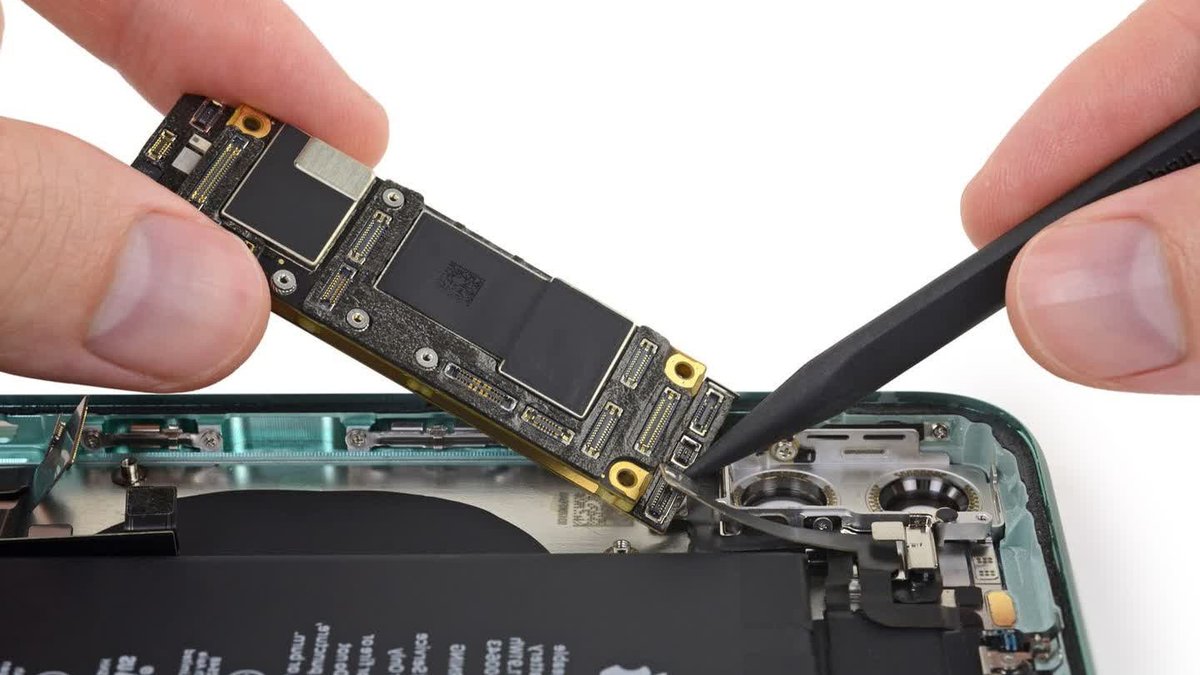
Apple’s A20 Pro production is proceeding smoothly, but a shortage of mobile DRAM is slowing the final assembly of the upcoming iPhone Ultra, iPhone 18 and iPhone 18 Pro.
New chip and packaging technology
The core of the new lineup is the A20 Pro processor, Apple’s first chip built on TSMC’s N2 manufacturing node. The N2 node entered volume production earlier this year at Fab 20 in Hsinchu and Fab 22 in Kaohsiung, with Fab 22 slated as the primary hub for Apple devices. Unlike the Integrated Fan-Out (InFO) method TSMC has used for a decade, the A20 Pro is paired with high‑performance DRAM using a wafer‑level multi‑chip module (WMCM) process. This approach, described by Taipei‑based journalist Tim Culpan as “CoWoS for mobile,” mirrors the advanced chip‑on‑chip packaging used for data‑center AI processors.
WMCM testing is underway on pilot lines at Advanced Packaging Fab 3 in Longtan, and full‑scale production will move to AP7 in Chiayi once the facility is online. The shift to WMCM is intended to improve performance by stacking memory directly on the processor wafer, reducing latency and power consumption.
DRAM supply constraints create a bottleneck
While the N2 node itself is not a limiting factor—capacity is booked through the end of next year—DRAM availability is. Apple sources most of its mobile memory from Micron, with additional purchases from SK Hynix and Samsung. According to sources familiar with the supply chain, the lack of sufficient DRAM is causing A20 Pro wafers to sit idle while awaiting memory chips for WMCM packaging.
TSMC disclosed that it is holding roughly $1 billion worth of Apple processors that are ready on silicon but cannot progress without DRAM. CFO Wendell Huang noted on the company’s earnings call that inventory days rose to 87, an increase of seven days, attributing the rise “primarily due to the ramp of N2 technology.” This figure is 11 days higher than a year ago and seven days above the prior quarter, aligning with reports of a DRAM‑related delay.
Related: Saudi-led group finalizes $55B EA takeover
The downstream impact is evident at assembly plants in China, where BYD and Foxconn handle main logic board assembly and final device integration. With fewer DRAM‑equipped WMCM packages arriving, these factories have less time to build inventory before the launch, raising the risk that some models could be scarce in the early weeks.
Apple plans to produce about 200 million units across the foldable iPhone Ultra, iPhone 18 and iPhone 18 Pro. The Ultra is expected to account for less than 10 % of that total and could carry a price tag above $2,000. The remaining units will be divided evenly between the standard and Pro versions.
At this stage, Apple and its partners are pushing to accelerate DRAM shipments into the WMCM flow. The N2 node is already ramped, and the packaging infrastructure is expanding, but the speed of the most advanced mobile architecture still depends on how quickly memory suppliers can deliver.
Given the current constraints, a modest slowdown in early‑stage inventory could translate into longer online wait times for consumers and tighter store shelves.
Production delays worry consumers.

Saudi-led group finalizes $55B EA takeover


