Samsung Creates AI Chip for Home Computers
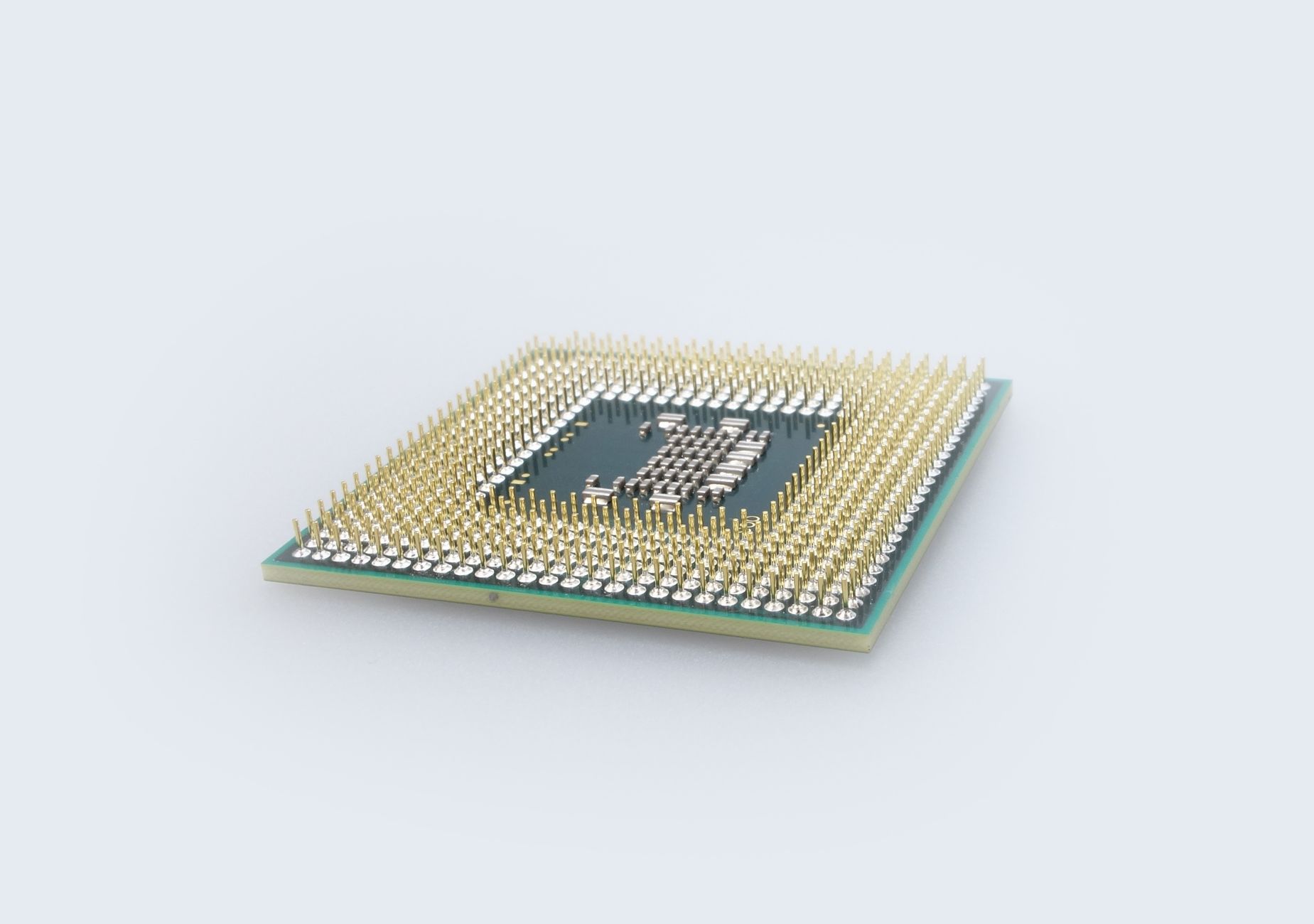
Samsung is developing a dedicated AI accelerator for PCs, codenamed GAIA, according to multiple Korean outlets. HP in the US and Lenovo in China are already testing prototypes to verify performance. Mass production could start as early as 2027, with devices potentially arriving in late 2027 or early 2028.
GAIA is being developed by Samsung’s LSI division, which also works on the Exynos mobile chips. Samsung has not officially confirmed the project.
GAIA is described as a companion processor rather than a general-purpose CPU. Key features reported by Korean outlets include being built on a 4nm-class process node and described as a “memory-centric” AI accelerator that places compute close to memory.
It’s not intended to replace Intel, AMD, or Qualcomm processors, but to work alongside them. The chip is aimed at on-device language models, real-time translation, image generation, and similar tasks that would otherwise run on the CPU or GPU.
The intent is to offload these workloads to a dedicated NPU rather than sharing resources with the primary processors. Samsung is reportedly pushing further integration with processing-in-memory (PIM) technology, which runs computations inside the memory itself instead of moving data back and forth to a processor.
Samsung last supplied PC silicon in 2012, when Exynos chips briefly powered early Samsung Chromebooks. The business was shelved two years later. Since then, Samsung’s Galaxy Book laptops have used Intel or Qualcomm chips.
If GAIA reaches mass production, Samsung would have its own logo on the silicon inside its own laptops for the first time in more than a decade. Third-party OEM adoption through HP and Lenovo could expand Samsung’s reach beyond its own product line.
Related: Microsoft Confirms Windows GDID Identifier Cannot Be Disabled
Samsung’s LSI division has been incurring structural losses for years. A successful AI venture, combined with revenue from Exynos and automotive silicon, could provide the division with a much-needed growth opportunity.
For PC buyers considering AI-capable devices in 2027 and 2028, GAIA could offer an additional option alongside existing solutions such as Intel Core Ultra with an integrated NPU, AMD Ryzen AI with XDNA NPU, Qualcomm Snapdragon X2 with Hexagon NPU, and Nvidia RTX Spark for AI workloads.
When evaluating AI PC hardware, users should consider the types of workloads they run and whether an NPU can provide meaningful performance improvements over a CPU or GPU alone.
It’s also important to assess software support for the specific NPU architecture and whether local AI processing justifies a dedicated accelerator, or if cloud-based AI services might meet their needs.
Despite industry efforts to promote NPUs as essential components of AI PCs, many users struggle to identify tasks that their current NPU handles more effectively than traditional hardware.
Introducing additional NPU vendors does not fundamentally alter this situation. They could lead to increased competition and innovation, potentially driving down prices and improving performance for consumers.
However, this would depend on various factors, including the adoption of GAIA by other OEMs and the development of supporting software and ecosystems.
Related: Windows Dedicated Servers vs. Virtual Private Servers: Decoding the Differences
There are still many details about GAIA that remain unclear, including how its performance compares to competing NPUs, its power consumption and thermal characteristics, and the maturity of its software support and drivers at launch.
GAIA is currently in the prototype testing phase with HP and Lenovo. Mass production is expected to begin in 2027, with consumer devices possibly launching late that year or early 2028.
The timeline may change depending on the validation results, the commitment from OEMs, and Samsung’s ability to provide software support alongside the hardware.
Those interested in GAIA-based PCs should keep an eye on Samsung’s official announcements and OEM product roadmaps as CES 2027 and other industry events approach.
Samsung has not yet announced a date for a public unveiling of GAIA.
Additional details are likely to emerge as the chip moves from prototype testing toward readiness for mass production.

Microsoft Confirms Windows GDID Identifier Cannot Be Disabled


