App sends messages via virtual carrier pigeon
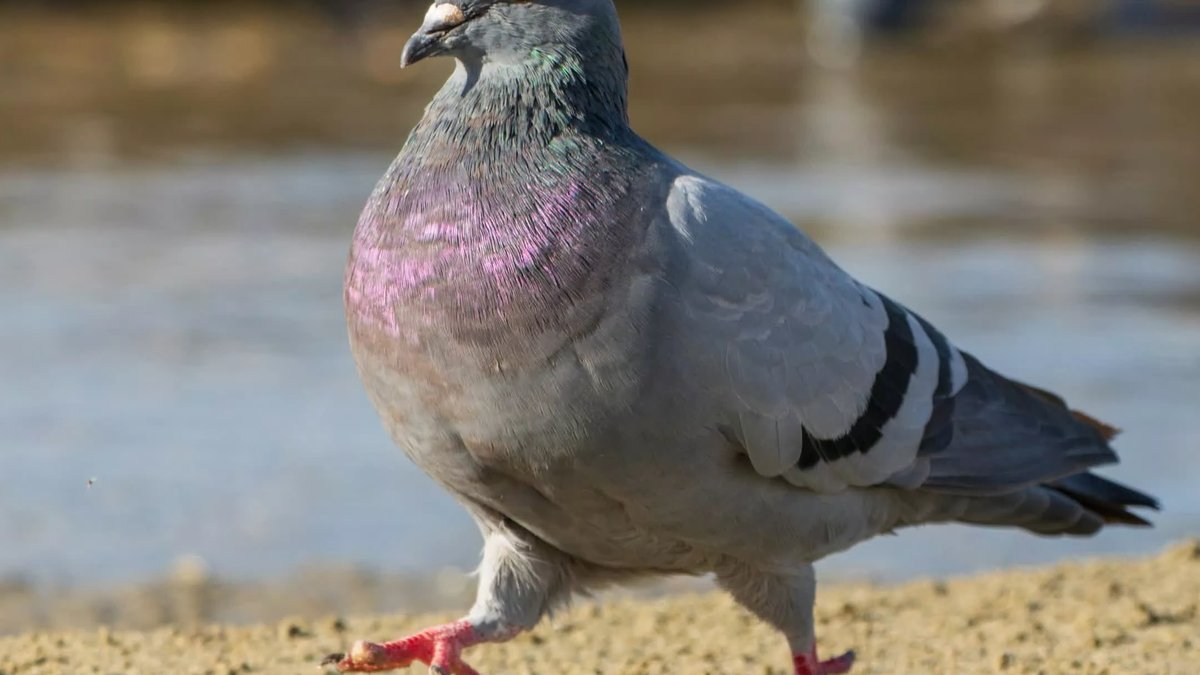
An iOS app called Carrier Pidge promises to deliver text messages at the speed of a carrier pigeon—about 110 mph—with one catch: your virtual bird might not make it. The concept taps into a whimsical nostalgia for pre-digital communication, where messages traveled at the mercy of physical distance rather than the instantaneity of fiber-optic cables. Unlike modern messaging platforms that prioritize speed and reliability, Carrier Pidge adopts the inherent unpredictability of an era when sending a letter meant accepting that it might arrive late or not at all.
The app, created by developer Noah Iarrobino in roughly three weeks, simulates the unpredictability of real-life pigeon post. Messages travel at a bird’s pace, calculated by GPS distance between sender and recipient. A short trip across town could arrive in minutes, as a pigeon might cover a few miles in under 10 minutes if conditions are favorable. However, the same bird could face headwinds or detours, stretching a 10-mile journey into 20 minutes or more. For cross-country deliveries, the app factors in the bird’s endurance. A message sent from New York to Los Angeles, for example, would require the pigeon to traverse roughly 2,500 miles, a feat that would take nearly 24 hours under ideal conditions. Anything going overseas from the US is going to take even longer.
The pigeon’s journey isn’t always smooth
Carrier Pidge adds a layer of realism with a 0.2% chance the bird dies en route. This failure rate, though small, mirrors the unpredictability of real-world carrier pigeons. A real-time map tracks its progress, but there’s no guarantee it’ll reach the destination. Users can zoom in on the map to see the pigeon’s current location, speed, and estimated time of arrival, though these details update dynamically to reflect the bird’s fluctuating performance. If the pigeon vanishes mid-journey, the message is lost permanently, and the sender receives a notification explaining the cause of failure.
The app’s speed isn’t fixed. Pigeons fly at roughly 110 mph, but that rate fluctuates by about 25%, meaning delays or early arrivals are possible. This variability stems from factors like wind resistance, the bird’s energy levels, and the terrain it traverses. Users can monitor their bird’s flight in the app, watching as it inches across the screen. The map displays a simplified representation of the route, with the pigeon depicted as a small animated icon that moves in real time. If the bird encounters adverse conditions, such as a storm or high winds, its progress may stall temporarily, and the app adjusts the estimated delivery time accordingly.
For those who want to send multiple messages at once, Carrier Pidge offers a paid feature to expand aviaries, allowing up to 10 pigeons to fly simultaneously. This upgrade is particularly useful for users who need to send time-sensitive messages to different recipients, as it reduces the risk of a single bird failing to deliver. Each additional pigeon operates independently, with its own flight path, speed, and failure probability. The aviary expansion also includes cosmetic customization options, such as different bird breeds or decorative leg bands, though these have no impact on performance. An Android version is in the works, with Iarrobino stating that it will retain the same core mechanics.
Related: Intel Considers Refresh Amid High Memory Costs
Not the first of its kind
Carrier Pidge isn’t the only app playing with the idea of avian messaging. A similar app, Roost, launched earlier this year. Iarrobino said he spoke with its creator and found they’d both stumbled on the same niche fascination with slow, unreliable communication. Roost operates on a nearly identical principle, though it includes additional features like message encryption and the ability to attach small virtual “payloads” to the pigeon, such as digital trinkets or notes. Both apps cater to a small but dedicated audience of users who appreciate the novelty of delayed, uncertain messaging in an age of instant gratification.
The appeal might lie in the contrast to modern messaging. Where texts and emails arrive instantly, Carrier Pidge forces users to wait, to wonder, to accept that some messages simply won’t get through. This deliberate inefficiency serves as a counterpoint to the relentless speed of contemporary communication, where delays of even a few seconds can feel frustrating. The app’s design encourages users to engage with the act of sending a message as an event in itself, rather than a transactional exchange. For example, a user might send a message knowing it won’t arrive for hours, then periodically check the map to see the pigeon’s progress, creating a sense of anticipation. If the bird fails, the sender is left with the same unresolved tension that characterized pre-digital correspondence, where a lost letter meant never knowing if the recipient received it.
The app’s throwback nature also extends to its aesthetic and user interface. The design mimics the look of early 2000s mobile software, with pixelated icons and a color palette reminiscent of old Nokia phones. The pigeon’s flight path is rendered in a simple, almost retro style, evoking the visual language of early GPS applications. Even the failure notifications are presented in a way that feels intentionally low-tech, with messages like “Your pigeon has been eaten by a hawk” appearing in a plain, unadorned font. This deliberate anachronism reinforces the app’s theme of adopting older, slower forms of communication in a world dominated by speed and efficiency.
That said, the app’s own description warns against sending anything important. After all, even in a digital world, pigeons remain unpredictable. The disclaimer serves as a reminder that Carrier Pidge is not a tool for practical communication but rather an experiment in reimagining how messages could travel if technology were stripped of its modern conveniences. Users are encouraged to treat the app as a novelty, sending lighthearted or non-urgent messages that they wouldn’t mind losing. Despite its limitations, the app has cultivated a small but enthusiastic user base, with some treating it as a form of digital performance art or a commentary on the fragility of communication.

Intel Considers Refresh Amid High Memory Costs


