Higher iPhone storage comes with slower speeds
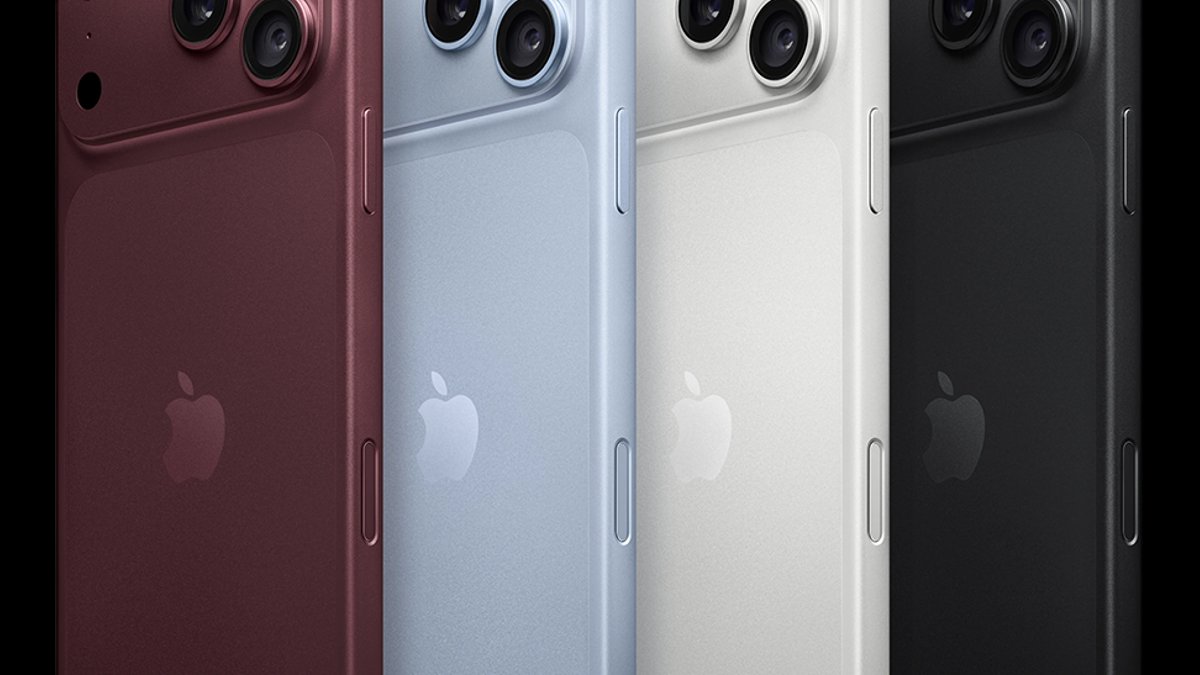
Apple’s latest iPhone 18 Pro models offer storage options ranging from 256GB to 2TB, but tests reveal a notable difference in performance between the lower and higher capacity models. The 256GB and 512GB versions use TLC NAND, while the 1TB and 2TB models utilize QLC NAND.
QLC NAND has the advantage of packing four bits of data into each cell, allowing for higher capacities at a lower cost. However, it is slower to write and has lower endurance compared to TLC NAND.
Storage Performance
To offset the slower performance of QLC storage, Apple employs a three-tier caching architecture in its newer devices. The fast SLC cache handles initial writes, followed by the slower TLC cache, and finally the QLC storage.
In tests conducted by Homolab, an empty iPhone 18 Pro reached write speeds of up to 3,000MB/s through the SLC cache. Once the cache was exhausted, writes were redirected to the TLC layer, resulting in speeds of around 578MB/s.
The biggest slowdown occurred when both caches were full, with speeds falling to around 79.4MB/s, and some readings dropping as low as 25.6MB/s.
Cache Size and Performance
The SLC cache size decreases as the drive fills up, from around 250GB when empty to approximately 58GB when 60% full. The TLC and QLC layers also become slower, with the TLC cache measuring around 396MB/s and the QLC storage dropping to 1.1MB/s during sustained writes.
The 1TB QLC model was around 38% slower than the 512GB TLC version in some random-read tests. This slowdown is not limited to sustained writes, as the 1TB iPhone 18 Pro Max with QLC was also slower during 4K random reads at low queue depths.
Apple’s Approach to Storage
Flash storage becomes more complex as manufacturers increase capacity. Apple’s switch to QLC NAND on the iPhone 18 Pro marks a change in approach, as the iPhone 17 Pro and Pro Max used TLC NAND for their 1TB and 2TB storage options.
Users will likely notice the difference in real life depending on how they use their phones. The clearest impact should come during sustained large writes, when the caches have been filled and data is being written directly to the QLC NAND.
The impact of QLC NAND will be more noticeable in specific scenarios, such as large file transfers or high-demand applications. However, for everyday tasks like app loading, web browsing, and normal camera use, the difference may be less pronounced.
The performance difference between the lower and higher capacity models may not be noticeable for everyday tasks, but it will be more pronounced in specific scenarios. The 1TB and 2TB models will still offer fast performance for most tasks, but they may slow down during sustained large writes or high-demand applications.

Mac Studio M5 Ultra packs raw power


