iPhone users can now get scam alerts with new safety
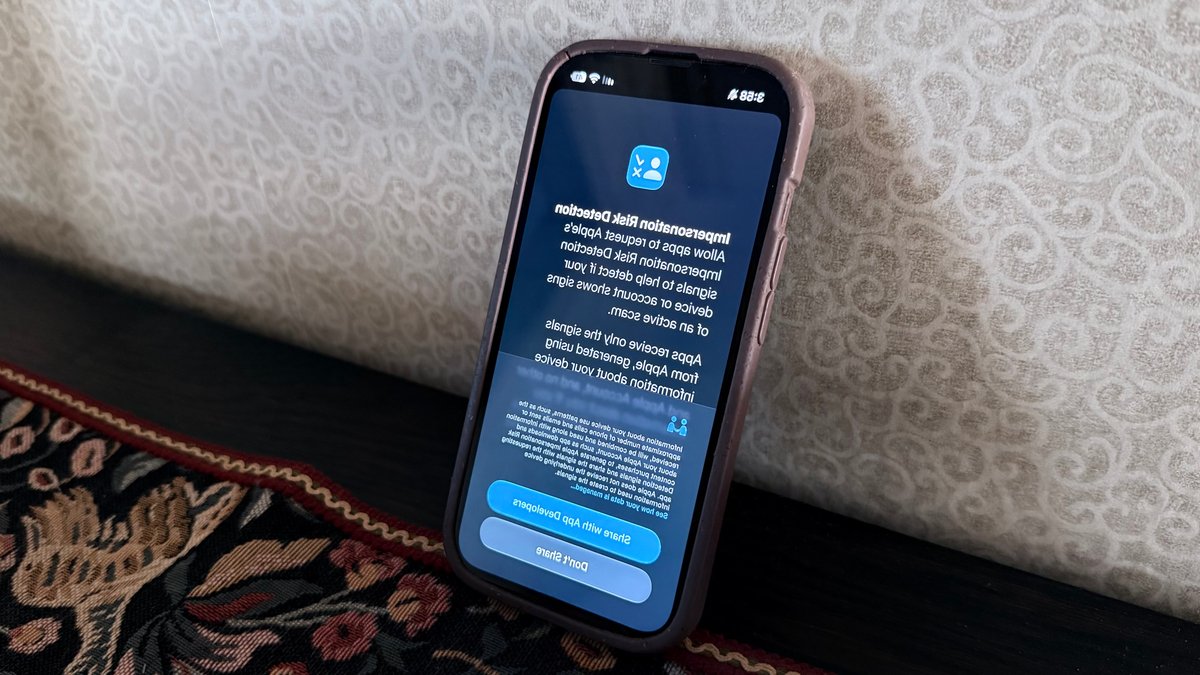
Apple’s upcoming iOS 27 and iPadOS 27 introduce a new safeguard against social engineering schemes, but activation requires user participation. The tool, named Impersonation Risk Detection, identifies questionable behavior when users perform sensitive transactions, such as authorizing payments or altering passwords, within participating applications. Unlike conventional security protocols, it focuses on fraud tactics that manipulate users rather than exploiting technical flaws.
The mechanism operates by examining the relationship between a user’s Apple account and device activity whenever an app requests a security evaluation. It generates one of three alerts: Unknown (no detectable threat), Medium (potential red flags), or High (clear signs of deception). Developers then determine the response, whether to request additional verification, display a caution, or temporarily halt the action. Apple itself does not handle user data; it merely supplies risk assessments to enrolled apps.
Activation begins in Settings > Privacy & Security, where users must enable Impersonation Risk Detection and confirm Share with App Developers. The change takes effect within 24 hours. Once active, users can audit which apps have accessed the feature and withdraw permissions as needed. The list includes both Apple’s native applications and third-party software, though Apple has not specified which developers are currently involved.
Apple clarifies that the system does not scrutinize content within apps like Mail, Messages, or Photos. Instead, it monitors the nature of the requested action, such as a password change or financial transaction, when an app seeks a risk assessment.
This development targets a rising threat: scams that rely on psychological manipulation rather than stolen credentials. Standard two-factor authentication fails against these schemes, as they often depend on deceiving users rather than bypassing security systems. The new feature seeks to intervene before fraudulent actions complete, though its success hinges on widespread adoption by app developers.


