Avoid using large appliances on power stations
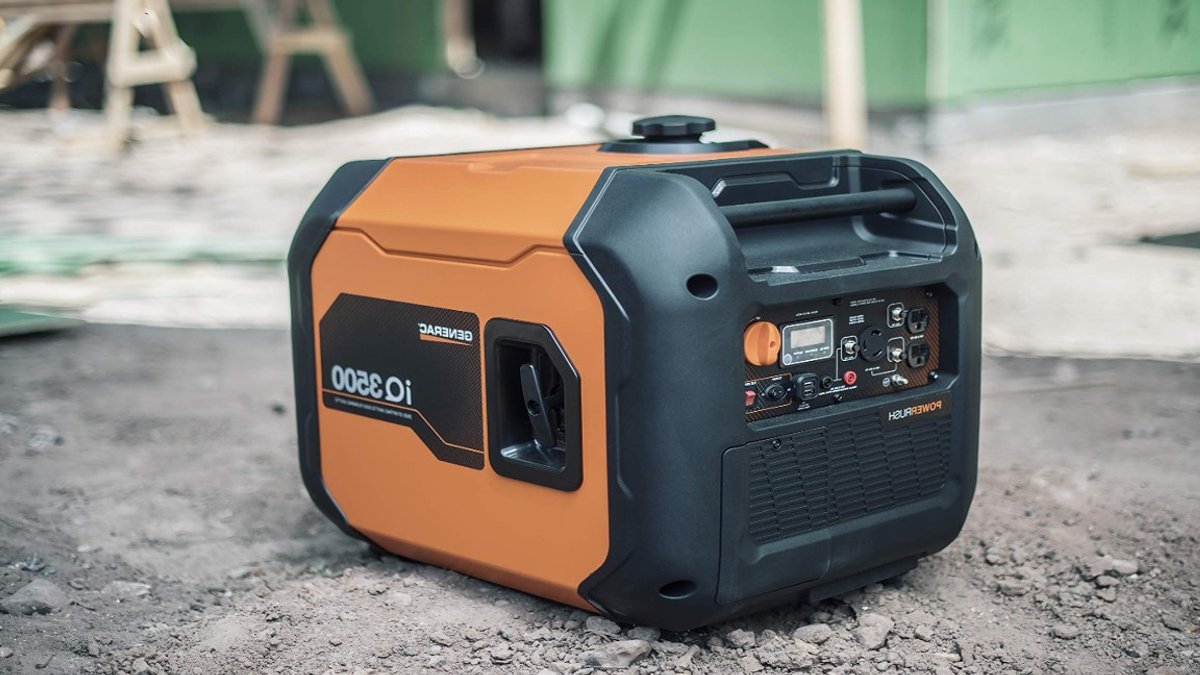
Some large appliances can rapidly drain a power station’s battery capacity, making it essential to use them wisely during an outage. A home tech expert advises against running certain appliances on a power station to avoid wasting precious battery life.
Heavy-duty power stations are capable of powering HVAC systems or big appliances, but it’s not recommended to do so continuously. The expert suggests that just because a power station can handle a particular appliance, it doesn’t mean it should be used for that purpose.
Appliances to Avoid
Central HVAC systems, for example, can draw between 3,000 and 5,500W, resulting in a significant sustained energy load that can quickly drain a power station. Heat-producing devices, such as electric water heaters, are also not recommended for use with a power station.
These devices require a lot of energy to produce heat, which can rapidly consume a power station’s battery.
Essential Devices
On the other hand, certain devices should be kept connected to a power station at all times to avoid power interruptions. These include a modem and router, refrigerator, security cameras, and systems. A CPAP machine is also an essential device that should be prioritized.
Monitoring real-time energy consumption and planning how and when to use devices can also help extend the life of a power station’s battery. If a smart system is available, the manufacturer’s app can be used to track energy consumption and estimate how long the battery can power certain devices.
A space heater, for example, can consume 1,500W and quickly drain a power station’s battery. In contrast, a refrigerator consumes a lot of startup power but cycles to maintain a set temperature, making it a more efficient choice for use with a power station.
Ultimately, the key to using a power station effectively is to understand which devices to use and when. By being mindful of energy consumption and prioritizing essential devices, homeowners can ensure that their power station’s battery life is maximized during an outage. For instance, a space heater that consumes 1,500W can consume the entire battery on a 2,000W power station in 80 minutes or less, which is less than ideal during an hours-long power outage, highlighting the importance of careful device selection and usage planning.


