AI chip demand squeezes PC market, shipments fall
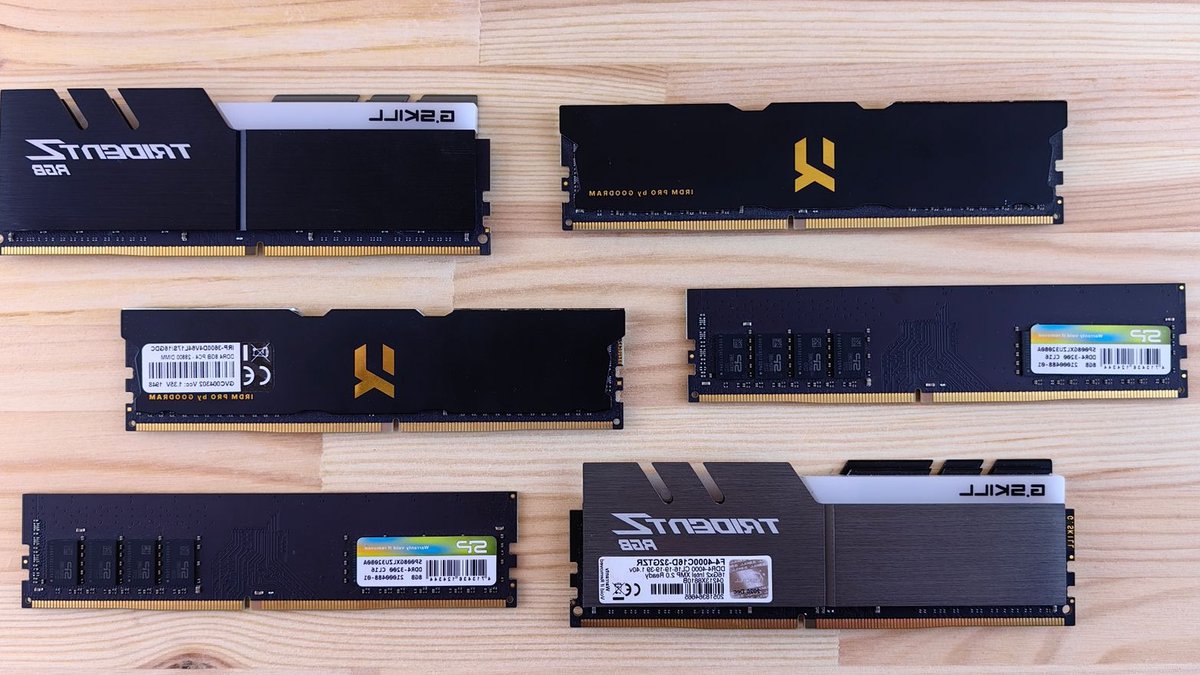
Global PC shipments dropped by 20.1% year-on-year during the third quarter of 2026, falling to 62.7 million units. This sharp decline marks the second consecutive quarter of falling sales and is deeper than the 3.8% drop seen in the previous quarter. The market had previously recorded 78.5 million units a year ago, and the latest figures reflect a shift in production priorities away from standard consumer devices toward high-bandwidth memory for data centres.
Inventory and pricing pressures weigh on the market
Manufacturers are actively reducing stock and repositioning their production lines. This shift comes as vendors attempt to manage the complex interplay between high component costs and fluctuating consumer demand. The report notes that the third quarter is typically a period of seasonal growth, yet this year’s figures are among the lowest in recent years. The market has also grappled with significant price increases throughout 2026, which have dampened buyer interest.
Leading vendors are seeing their own shipment numbers fall. HP Inc. experienced the largest decline, with a 30.9% drop year-on-year. Lenovo followed with a 22.6% decrease, while Dell Technologies fell by 25%. Apple saw an 11.3% decline, and ASUS reported an 8.6% shipment fall. The market-wide contraction suggests that even the largest manufacturers cannot insulate themselves from the current supply chain situation.
AI boom reshapes manufacturing priorities
The shortage of memory chips is a direct result of the global AI boom. Major chipmakers like Nvidia, Samsung, SK Hynix, and Micron are dedicating their manufacturing capacity to High-Bandwidth Memory (HBM) and chips for AI data centres. This diversion leaves less capacity for standard DRAM and NAND flash, which are essential for consumer electronics. The resulting scarcity has driven up the cost of these components, which in turn has pushed up the price of consumer devices.
Industry tracking shows that memory costs have pushed device prices up by 10% to 23%. As a result, the cost of a typical laptop has jumped by $100 to $400. Budget laptops, which previously cost between $400 and $500, have nearly doubled to nearly $700. This price inflation creates a difficult environment for vendors, who must decide whether to increase inventory or risk running out of stock as demand remains uncertain.
Related Post: Apple’s A20 Pro Redefines Chip Design Standards
Smartphone Market Shifts
Smartphone makers are directing limited microchips and memory toward premium devices. This choice protects higher margins over cheaper entry-level phones. As a result, 5G smartphone shipments increased across the Middle East and Africa. Sub-$100 phones are vanishing from the market entirely.
Memory now makes up more than 60% of the bill of materials for budget devices. Vendors channel their resources toward phones costing around $200. This leaves low-income and emerging markets with the hardest impact. The focus is on earnings projections rather than selling to the poorest consumers.
Risks to future supply and demand
Vendors are currently hesitant to ramp up mass production. Carrying high levels of inventory into a market with raised prices and suppressed demand presents a significant risk. The channel partners are worried that stockpiles of expensive devices may not sell, forcing them to offer promotions. IDC research director Jitesh Ubrani noted that while promotions might offer short-term relief, the outlook for pricing remains negative.
“Channels are now worried about carrying too much inventory into a market where high prices are suppressing demand,” Ubrani said. “That could translate into promotions and some short-term relief for consumers, but we don’t expect pricing anywhere near what it was a year ago. With macro conditions worsening, the risk is that the outlook for the next few quarters gets worse before it gets better.”
Prices are expected to remain raised compared to the same period last year. Vendors are attempting to balance their warehouses, which contain expensive devices made with costly chip components. Initiating mass production now could either alleviate the bottleneck or exacerbate it, depending on how quickly consumer demand responds to the current pricing environment.


