Old Word software runs on new computers
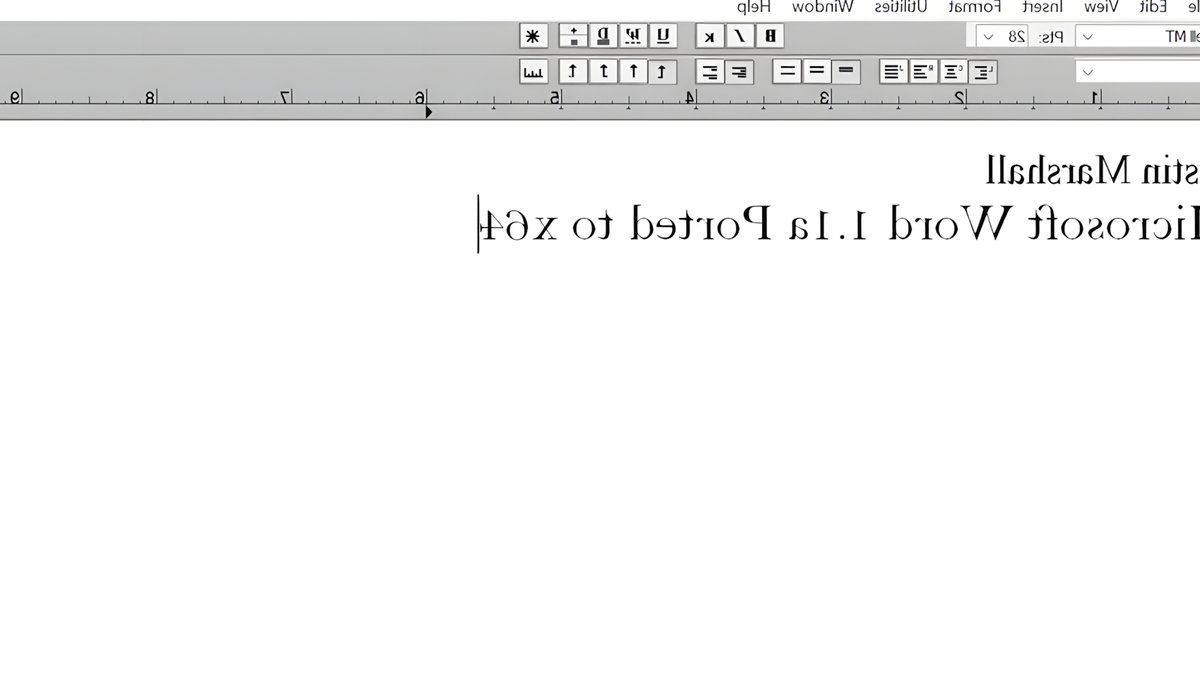
A developer has successfully ported Word for Windows 1.1a to modern x64 systems, using the original source code.
This port brings the original Word experience to Windows x64, replacing non-working 16-bit code with modern programming conventions.
Developer Justin Marshall achieved this by adapting specific behaviors tied to the Win16 API to modern Win32 APIs, allowing the original Word application to run with its original resources and UI elements intact, without emulation, virtualization, or reimplementation.
Porting Word for Windows 1.1a
Marshall had to make the 16-bit code behave properly in a modern 64-bit Windows environment.
He used CMake to rebuild dialogs, cursors, and bitmap elements with native host tools.
The CMake build process keeps the historical implementation available as a reference while ensuring all shipped code is valid for AMD64.
Related: iOS 26 Jailbreak Released After Long Wait
Justin Marshall explained the process on the project’s GitHub page, stating that “CMake inventories the legacy assembly tree but does not compile those modules into native targets.
This approach allowed him to preserve the original code while making it compatible with modern systems, which is a significant achievement.
Microsoft’s Software History
Word, and Word for Windows 1.1a specifically, hold a special place in Microsoft’s software history.
The original Word for Windows debuted in 1989, bringing the DOS-based productivity tool to a new GUI paradigm.
Version 1.1a followed a year later, adding dedicated support for Windows 3.0, and over time, Word became the de facto standard for word processing, replacing WordPerfect.
The original Word for Windows 1.1a had a barebones GUI, which is vastly different from today’s Word.
Related: Apple iCloud feature leaks user IP addresses
Now they treat their productivity software largely as a means of promoting their AI services.
Justin Marshall built other projects blending old software with modern tech, including a ray-tracing port of Quake 1 and a merge of the Quake 4 SDK with the Doom 3 graphics engine.
Marshall’s port of Word for Windows 1.1a is a notable example of this trend, as it brings a piece of software history back to life in a modern environment.
He had to overcome significant technical challenges.
The end result is a fully functional version of Word for Windows 1.1a that runs on modern x64 systems, providing a unique glimpse into the past and present of word processing software.

iOS 26 Jailbreak Released After Long Wait


